
Cavity Treatment for Kids West Caldwell, NJ
Finding out your child has a cavity does not have to be a stressful moment. In most cases, a cavity caught at a routine checkup means a straightforward visit and a quick return to normal. What matters most is not letting decay sit. A 2024 clinical review published in the National Library of Medicine confirms that early restorative intervention for childhood cavities significantly improves outcomes and reduces the likelihood of more complex treatment down the road. The sooner decay is addressed, the more tooth structure can be preserved and the less involved the procedure needs to be.
At Little Molars Pediatric Dentistry in West Caldwell, we provide gentle, comprehensive cavity treatment for children from toddlers through teens. Dr. Chirag Patel is a board-certified pediatric dentist who completed his specialty training at St. Joseph's Regional Medical Center in Paterson, NJ, and holds a fellowship in Dental Medicine for the Developmentally Disabled from Stony Brook School of Dental Medicine. He is a member of the American Academy of Pediatric Dentistry (AAPD) and the American Board of Pediatric Dentistry. Not yet sure if your child has a cavity? Visit our signs your child has a cavity page first.
How Cavities Are Treated in Children
The right treatment for a cavity depends on three things: which tooth is involved, how far the decay has progressed, and your child's age and development. Dr. Patel evaluates all of these factors and reviews the treatment plan with parents before any procedure is scheduled. There are no surprises.
Composite Fillings
For mild to moderate decay that has not yet reached the nerve, a tooth-colored composite filling is typically the most straightforward approach. The decayed portion of the tooth is carefully removed, the area is cleaned and prepared, and a composite resin material is bonded to the tooth. The result is a natural-looking restoration that seals the tooth and stops decay from progressing.
Pulp Therapy
When decay has reached the inner pulp tissue of the tooth, a filling alone is not sufficient. Pulp therapy removes the affected tissue while preserving as much healthy tooth structure as possible. A pulpotomy removes only the coronal portion of the pulp and is followed by a protective crown, while a pulpectomy removes the full pulp content when infection is more extensive. Our nerve treatment options page covers these procedures in more detail.
Baby Root Canals
A baby root canal is the common term for a pulpectomy on a primary tooth. It is a well-established pediatric procedure designed to save a tooth that would otherwise need to be extracted, protecting the spacing and development of the permanent tooth growing beneath it.
Dental Crowns
When a tooth has been significantly weakened by decay or has undergone pulp therapy, a crown provides full coverage and long-term protection. Stainless steel crowns are a durable, well-proven option for back molars. Tooth-colored zirconia crowns are available for front teeth where aesthetics matter more. Crowns in pediatric dentistry stay in place until the primary tooth is naturally ready to be lost.
“The sooner decay is addressed, the more tooth structure can be preserved and the less involved the procedure needs to be.”
Why Treating Cavities in Baby Teeth Matters
One of the most common questions parents ask is whether a cavity in a baby tooth really needs treatment when that tooth will eventually come out on its own. The answer is always yes.
Primary teeth maintain the spacing that permanent teeth rely on to erupt correctly, support jaw development, and play a direct role in how children chew, speak, and develop. A cavity left untreated in a baby tooth can spread to neighboring teeth quickly, cause pain and infection, and damage the permanent tooth developing directly beneath it. In more advanced cases, infection from an untreated primary tooth can spread beyond the mouth. If early tooth loss does result from untreated decay, a space maintainer can help preserve alignment until the permanent tooth is ready to erupt. But preventing that outcome is always the priority.
“Primary teeth maintain the spacing that permanent teeth rely on to erupt correctly.”
Keeping Children Comfortable During Treatment
A child's experience during dental treatment shapes how they feel about dental care for years afterward. That is why everything about how we approach cavity treatment at Little Molars Pediatric Dentistry is designed around the child, not just the procedure.
Child-Centered Communication
Dr. Patel uses age-appropriate language throughout every appointment, explaining what he is doing before he does it and taking breaks whenever a child needs them. He moves at each child's pace, and our team knows how to read when a child needs reassurance versus when they are ready to move forward. Many children who arrive nervous leave having had a much better experience than they anticipated.
Nitrous Oxide Sedation
For children who feel anxious or who need extra support staying still during a longer procedure, nitrous oxide sedation is a safe, comfortable option. It is inhaled through a small mask, takes effect quickly, and wears off within minutes of the mask being removed. Most children can resume normal activity, including school, the same afternoon.
Digital Radiography for Precision
Before any treatment, Dr. Patel uses digital radiography to assess how far decay has progressed and whether surrounding teeth are affected. Digital X-rays expose children to significantly less radiation than traditional film and produce clearer images that support more precise treatment decisions.
“Many children who arrive nervous leave having had a much better experience than they anticipated.”
Check out what others are saying about our dental services on Yelp: Cavity Treatment in West Caldwell, NJ
What to Expect at Your Child's Cavity Treatment Appointment
Before any treatment begins, Dr. Patel reviews the findings with you and explains the recommended procedure, why it is the right choice, and what your child will experience. We answer all questions before anything is scheduled, and we never proceed until both the parent and child feel informed and ready.
On the day of the appointment, we recommend having your child eat a light meal beforehand and avoid telling them too much in advance in a way that might increase anxiety. A composite filling is typically complete in one visit. Pulp therapy and crown placement may require a longer appointment or a follow-up, and Dr. Patel will let you know in advance. After treatment, mild sensitivity is normal for a day or two. We provide post-visit guidance and are always available by phone if questions come up.
We accept a wide range of insurance plans, including Delta Dental PPO, MetLife, Cigna Dental, Aetna Dental, Guardian, and Blue Cross Blue Shield (select plans), as well as HSA and FSA payments. Our team will help verify your benefits before your child's appointment so there are no financial surprises.
Ready to give your child a happy, healthy smile?
Our gentle team makes every visit fun and stress-free. Book a visit today — or just give us a ring, we'd love to chat.
“We never proceed until both the parent and child feel informed and ready.”
Questions Answered on This Page
Q. How are cavities treated in children?
Q. Why do baby teeth need cavity treatment?
Q. How does Dr. Patel keep children comfortable during treatment?
Q. What should I expect at the appointment?
People Also Ask
Q. What are the signs my child has a cavity?
Frequently Asked Questions
Q. What are the treatment options for a cavity in a child's tooth?
A. Treatment depends on how far the decay has progressed. A small cavity caught early is typically treated with a tooth-colored composite filling. If decay has reached the inner pulp of the tooth, pulp therapy or a baby root canal may be needed to save the tooth. For teeth with more extensive damage, a dental crown provides full coverage and protection. Dr. Patel reviews all options with parents before proceeding with any treatment.
Q. Do baby teeth really need to be treated for cavities if they will fall out anyway?
A. Yes. Baby teeth hold space for permanent teeth, support proper speech development, and allow children to chew comfortably. Untreated decay in a primary tooth can spread to neighboring teeth, cause infection, and damage the permanent tooth developing directly beneath it. Treating cavities in baby teeth protects your child's long-term oral development.
Q. How does Dr. Patel keep children calm during cavity treatment?
A. Dr. Patel uses age-appropriate language, explains each step before doing it, and moves at a pace that allows each child to feel in control. For children who need additional support, nitrous oxide sedation is available. It is safe, fast-acting, and wears off quickly, allowing most children to return to normal activity the same day.
Q. What is a baby root canal and is it safe?
A. A baby root canal, also called a pulpotomy or pulp therapy, is a procedure that removes infected or damaged nerve tissue from inside a primary tooth while preserving the rest of the tooth structure. It is a well-established, safe procedure in pediatric dentistry. The goal is always to keep the primary tooth in place until it is naturally ready to be lost, protecting the spacing and development of the permanent tooth beneath it.
Q. How long does cavity treatment take for a child?
A. A straightforward composite filling typically takes 30 to 45 minutes. More involved procedures such as pulp therapy or crown placement may require a longer appointment, and in some cases a follow-up visit. Dr. Patel will give you a realistic time estimate when reviewing the treatment plan before your child's appointment.
Q. Will my insurance cover cavity treatment for my child?
A. Most dental insurance plans that provide pediatric coverage include restorative treatment such as fillings. Coverage for crowns, pulp therapy, and other procedures varies by plan. We accept Delta Dental PPO, MetLife, Cigna Dental, Aetna Dental, Guardian, Blue Cross Blue Shield (select plans), HSA, and FSA. Our team is happy to help verify your benefits when you call.
Gentle, Effective Cavity Treatment for Kids in West Caldwell
By visiting us as soon as possible, our team can help get your child the professional treatment they need.

Scan here to view this page, Cavity Treatment, on mobile


Cavity Treatment for Kids at Little Molars Pediatric Dentistry
Treating a cavity early is always better than waiting. Little Molars Pediatric Dentistry provides comprehensive cavity treatment for children throughout West Caldwell, Montclair, Essex Fells, Cedar Grove, and the surrounding communities of Essex County. Dr. Patel's board certification, fellowship training, and faculty role at Zufall Health Center in West Orange reflect a level of clinical preparation that gives every child the best possible outcome. We also accept most major insurance plans and are happy to help you understand your benefits before the appointment. Learn more about our approach on our about page.
If your child has been diagnosed with a cavity or you are not sure and want an evaluation, contact our office today to schedule an appointment at our West Caldwell practice.
Helpful Related Links
- National Library of Medicine. Managing Early Childhood Caries: A Comparative Review of Preventive and Restorative Approaches. 2024
About our business, license, and website security
- Little Molars Pediatric Dentistry was established in 2023.
- We accept the following payment methods: Cash, Discover, MasterCard, and Visa
- We serve patients from the following counties: Essex County
- We serve patients from the following cities: West Caldwell, Caldwell, North Caldwell, Fairfield, East Hanover, Montville, Verona, and Montclaire

Scan here to open directions to Little Molars Pediatric Dentistry on mobile
Back to top of Cavity Treatment
Related Posts
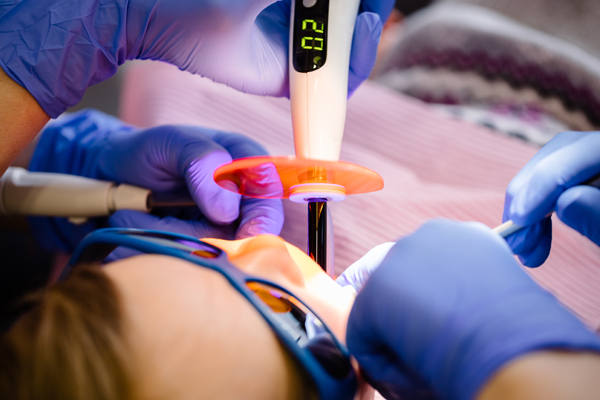
3 Things To Know About Getting A Baby Root Canal From A Pediatric Dentist
Wondering whether your child needs to undergo baby root canal therapy? Pediatric dentists are dental specialists for children, making it so many parents are choosing to take their child to a pediatric dentist to provide their child with any necessary dental services. Parents can ask this dental professional any questions they have that pertain to…

Baby Root Canals: What Parents Need To Know About Saving Baby Teeth
Does your child need a baby root canal? Read on to learn more about this restoration. Pediatric dentists typically prioritize prevention, mostly to avoid procedures like a baby root canal. However, sometimes, a root canal can be suggested when a primary tooth is severely damaged. For parents, this might be surprising. Since the baby's teeth…

Does My Child Really Need Dental Sealants?
If your child’s dentist has recommended dental sealants, you might wonder whether this preventive treatment is truly necessary or just an optional extra. Many parents feel uncertain about the benefits of sealants, especially when their child seems to have healthy teeth with no visible problems. Some worry about the cost, safety concerns they’ve heard about,…
Explore additional topics covered on our website:
Call Us Today

Scan here to call Little Molars Pediatric Dentistry on mobile